The Cosmic Pilgrimage: Textual Genealogies, Indological Horizons, and Sacred Allegory in Journey to the West (西遊記)
“The divine root conceives, its source revealed;
Mind and nature nurtured, the Great Dao is born.” > — Journey to the West, Vol. 1, Ch. 1 (trans. Anthony C. Yu, 2012)
I. Textual Genealogies and Print History
Attributed to Wu Cheng’en (吳承恩, c. 1500–1582) during the Ming Dynasty, Journey to the West (西遊記) stands as one of the Four Great Classical Novels (四大名著) of Chinese literature. Ostensibly a high-fantasy adventure detailing a 14-year quest to retrieve sacred Sanskrit scriptures (sūtras 經) from India (Tianzhu 天竺 / Āryāvarta आर्यावर्त), the text operates as a multi-layered allegorical masterpiece blending high comedy, Daoist inner alchemy (neidan 內丹), Chan/Zen philosophy (禪), and Mahāyāna Buddhist soteriology.
Textual Evolution of Journey to the West across a Millennium
Xuanzang’s actual historical travelogue compiled for Emperor Taizong detailing his 16-year journey through Central Asia and India.
Street storytellers (shuōshū) introduce legendary embellishments and the prototype “Monkey-Novice” (Hóu-xíngzhě 猴行者).
Stage plays by Yang Jingxian (楊景賢) fix the core ensemble (Bajie, Sha Wujing) and establish popular dramatic set-pieces.
Earliest extant complete 100-chapter blockprint edition attributed to Wu Cheng’en, unifying folklore into a continuous epic.
Daoist masters (such as Liu Yiming’s Xiyou zhenquan 西遊真詮) re-read the text as a handbook for inner alchemy (neidan).
Published by University of Chicago Press; the definitive, fully annotated English translation setting global Sinological standards.
II. Indological Horizons & Comparative Foundations
The novel functions as an intellectual bridge between ancient China and India (Āryāvarta आर्यावर्त). The historical monk Xuanzang (玄奘) spent 16 years traversing Central Asia and India (629–645 CE), studying under Śīlabhadra (शीलभद्र) at Nālandā Mahāvihāra (नालन्दा) to master the Yogācārabhūmi-śāstra (瑜伽師地論).
In its mythologized form, the novel translates Indian philosophical concepts into allegorical characters and narrative events.
The Allegorical Soteriological Matrix
| Pilgrim Character | Sanskrit Metaphor & Term | Psychological / Soteriological Reality |
|---|---|---|
| Xuanzang (玄奘 / 唐僧) | Citta / Rūpa-kāya (चित्त / रूपकाय) |
The Physical Body, Ego, and Earthly Subject seeking liberation. |
| Sun Wukong (孫悟空) | Manas / Kliṣṭamanas (मनस् / क्लिष्टमनस्) |
The active “Mind-Monkey” (Xinyuan 心猿) or intellect needing spiritual discipline. |
| Zhu Bajie (豬八戒) | Indriya / Kāma (इन्द्रिय / काम) |
Sensory appetites, gluttony, and worldly desires (Yima 意馬). |
| Sha Wujing (沙悟淨) | Samādhi / Dhāraṇī (समाधि / धारणी) |
The steadfast, disciplined mind; balance and quiet endurance. |
| White Dragon Horse (白龍馬) | Vīrya (वीर्य) |
Relentless energy, stamina, and physical willpower. |
The Simian Genealogy: Sun Wukong and Hanumānt (हनुमान्)
Scholars of comparative mythology—starting with Hu Shih (胡適) and Ji Xianlin (季羨林)—have linked Wukong’s traits to Hanumānt (हनुमान्) from Vālmīki’s Rāmāyaṇa (रामायणम्). While Wukong draws on indigenous Chinese lore (such as the water-demon Wuzhiqi 無支祁), his miraculous attributes demonstrate direct structural alignment with Indian epic traditions.
Comparative Parallels: Hanumānt vs. Sun Wukong
| Mythic Motif | Hanumānt (हनुमान्) | Sun Wukong (孫悟空) |
|---|---|---|
| Divine Origin | Born of Anjanā and Vāyu (Wind God); imbued with cosmic energy. | Born from an immortal stone fertilized by Heaven and Earth and animated by Wind. |
| Celestial Defiance | Leaps for the Sun as a child thinking it is a fruit; struck by Indra’s Thunderbolt. | Sacks Heaven, eats immortal peaches, and challenges the Jade Emperor’s throne. |
| Shape-Shifting (Siddhi) | Expands to mountain size or shrinks to an ant (Aṇimā & Mahimā). | Masters the 72 Earthly Transformations (qīershí’èr biàn 七十二變). |
| Leaping Flight | Crosses the ocean to Laṅkā in a single leap (Sundarakāṇḍa). | Somersaults 108,000 li (Jīndōuyún 筋斗雲) in a single bound. |
| Mountain Feats | Carries Mount Gandhamādana across India to deliver the Sanjeevani herb. | Runs while carrying Mount Tai and Mount Sumeru upon his shoulders (Ch. 33). |
III. Primary Character Biographies
1. Sun Wukong (孫悟空) — The Monkey King
Titles: Great Sage Equaling Heaven (齊天大聖); Buddha of Victorious Fighting (鬥戰勝佛).
Sanskrit Epithet: Vānara-rāja / Hanumānt archetype (हनुमान्).
Biography: Born from a cosmic stone on Flower-Fruit Mountain, he masters immortality, the 72 Transformations, and the Cloud-Somersault under Patriarch Subhūti (須菩提祖師). Armed with the As-You-Will Golden-Hooped Staff (如意金箍棒), he causes havoc in Heaven and Hell. Trapped beneath Five Phases Mountain for 500 years by Tathāgata Buddha (如來佛), he is freed by Xuanzang to serve as the journey’s protector, representing the Mind-Monkey (Xinyuan 心猿).
2. Xuanzang / Tang Seng (玄奘 / 唐僧) — Tripitaka
Titles: Tripitaka Master (三藏法師); Buddha of Candana Merit (旃檀功德佛).
Sanskrit / Historical Name: Xuanzang / Mokṣadeva (मोक्षदेव).
Biography: Reincarnation of Golden Cicada (金蟬子), the second disciple of Buddha cast down for sleeping during a sermon. Orphaned at birth, he becomes a monk. Emperor Taizong adopts him as his sworn brother to fetch scriptures from India. Compassionate yet vulnerable to illusion, he represents the Physical Body & Ego seeking spiritual liberation.
3. Zhu Bajie (豬八戒) — Pigsy
Titles: Marshal Tianpeng (天蓬元帥); Cleaner of the Altars (淨壇使者).
Biography: Formerly Commander of 80,000 Heavenly River Marines, banished for flirting with the Moon Goddess Chang’e (嫦娥) and accidentally reincarnated into a sow’s womb. Armed with a Nine-Toothed Rake (九齒釘耙), he represents physical desires, gluttony, and lust (the Pig of Appetites).
4. Sha Wujing (沙悟淨) — Sandy
Titles: Curtain-Raising Captain (捲簾大將); Golden-Bodied Arhat (金身羅漢).
Biography: Banished from Heaven for breaking a crystal goblet, he lived as a man-eating demon in the Flowing Sands River (流沙河). Armed with a Demon-Subduing Staff (降妖寶杖), he represents patience, stability, and quiet discipline.
5. Yulong / White Dragon Horse (玉龍 / 白龍馬)
Titles: Third Prince of the Western Dragon King; Eight Dragon Heavenly Ju-ju (八部天龍馬).
Biography: Saved from execution by Guanyin after setting fire to a divine pearl, he devours Xuanzang’s original horse and transforms into a dragon-horse mount, representing Unflagging Willpower and Perseverance.
IV. Comprehensive 100-Chapter Narrative Progression
The 100 chapters follow a logical four-act progression:
Narrative Arc Structure
Havoc in Heaven
Origins of the Quest
The 81 Pilgrimage Ordeals
Arrival & Canonization
Act I: Cosmic Origin and Havoc in Heaven (Chapters 1–7)
Chapter 1: Birth of the Stone Monkey on Flower-Fruit Mountain (花果山); discovery of Water-Curtain Cave (水簾洞); journey to find Patriarch Subhūti (須菩提祖師).
Chapter 2: Wukong masters immortality, the 72 Transformations, and the Cloud-Somersault; received the name Sun Wukong (孫悟空); expelled for showing off magic.
Chapter 3: Wukong claims the Golden-Hooped Staff (如意金箍棒) from the Eastern Dragon King; erases his name and his kin’s from Hell’s Registers of Life and Death.
Chapter 4: Celestial troops fail to subdue Wukong; Jade Emperor appoints him Keeper of Heavenly Horses (Bimawen 弼馬溫); Wukong quits in anger and declares himself “Great Sage Equaling Heaven” (齊天大聖).
Chapter 5: Wukong guards the Peach Orchard, devours immortal peaches, ruins the Queen Mother’s Peach Banquet, and steals Lord Laozi’s Elixirs.
Chapter 6: Prince Erlang (二郎神) duels Wukong in transformation magic; Laozi captures Wukong using the Diamond Snare (Jingang Zhuo 金剛琢).
Chapter 7: Wukong survives 49 days in Laozi’s furnace, gaining “Fiery Eyes and Golden Pupils” (火眼金睛); Tathāgata Buddha (如來佛) traps him under Five Phases Mountain (五行山) for 500 years.
Act II: The Earthly Context and the Sacred Vow (Chapters 8–12)
Chapter 8: Tathāgata Buddha announces scripture transmission; Bodhisattva Guanyin recruits Sha Wujing, Zhu Bajie, Yulong, and Wukong as future guardians.
Chapter 9: Backstory of Xuanzang: the murder of his father Chen Guangrui, his rescue as a river infant, and his eventual family justice.
Chapter 10: Jing River Dragon King executed by Minister Wei Zheng in a dream; Emperor Taizong is haunted by the dragon’s ghost.
Chapter 11: Taizong descends to the Underworld; King Yama grants him 20 years of additional life; Taizong vows to hold a Grand Mass for the Dead.
Chapter 12: Xuanzang leads the Grand Mass; Guanyin reveals her divine form and charges him with the quest; Taizong bestows the name Tripitaka (三藏).
Act III: The Ordeals on the Road to the West (Chapters 13–97)
Chapters 13–15: Tripitaka sets out; releases Wukong; receives the Tight-Fillet Crown (Jingu’er 緊箍兒) to control Wukong; White Dragon Horse becomes mount.
Chapters 16–17: Abbot Jinchi attempts to burn the pilgrims to steal the divine Cassock; Black Bear Demon steals it during the fire; Guanyin subdues the bear.
Chapters 18–19: Wukong subdues Zhu Bajie at Gao Village; Tripitaka receives the Heart Sūtra (Prajñāpāramitāhṛdaya) from Crow-Nest Zen Master.
Chapters 20–22: Yellow Wind Demon blinds Wukong with Samādhi Wind; Lingji Bodhisattva assists; Sha Wujing joins the party at Flowing Sands River.
Chapters 23–26: Four Bodhisattvas test the pilgrims’ desires; Ginseng Fruit (Renshenguo) uprooted at Mount Wuzhuang; Zhenyuan Master becomes Wukong’s sworn brother after Guanyin restores the tree.
Chapters 27–31: The White Bone Demon (白骨精): Wukong strikes her three disguises and is banished by Tripitaka; Tripitaka is captured by Yellow Robe Demon and turned into a tiger; Bajie persuades Wukong to return and save his master.
Chapters 32–35: Silver and Gold Horn Kings pin Wukong beneath three mountains; Wukong tricks them using Laozi’s divine tools.
Chapters 36–39: Kingdom of Wuji: Wukong revives a drowned King with Laozi’s elixir; unmasks a fake king as Mañjuśrī’s Lion Spirit.
Chapters 40–42: Red Boy (紅孩兒): Attacks pilgrims with True Fire of Samādhi; Guanyin subdues him with 36 Lotus Blade Thorns, making him her acolyte Sudhana.
Chapters 43–46: Black River dragon demon subdued; Wukong defeats three Daoist Masters (Tiger, Deer, Antelope Power) in Cart-Slow Kingdom.
Chapters 47–49: River of Heaven demon demands child sacrifices; Guanyin captures her escaped goldfish using a bamboo basket.
Chapters 50–52: King of One-Horned Realm uses the Golden Steel Ring to steal all divine weapons; Laozi reclaims his escaped Green Bull.
Chapters 53–55: Women’s Kingdom (女兒國): Tripitaka and Bajie drink from Mother-Child River and become pregnant; Queen woos Tripitaka; Scorpion Demon defeated by Solar Rooster.
Chapters 56–58: Two Minds Causing Chaos: Imposter Six-Eared Macaque (六耳獼猴) poses as Wukong; Buddha exposes the imposter, whom Wukong slays.
Chapters 59–61: Flaming Mountains: Wukong battles Princess Iron Fan and Bull Demon King for the Plantain Fan (Bajiao Shan).
Chapters 62–63: Retrieving the stolen relic pearl of Jisai Kingdom from Nine-Headed Insect Demon.
Chapters 64–66: Tree spirits at Bramble Ridge; Yellow-Browed Demon poses as Buddha in Lesser Thunder Monastery; Maitreya assists.
Chapters 67–69: Wukong slays Python Demon; cures the King of Purpuria by diagnosing his grief.
Chapters 70–73: Seven Spider Spirits at Webbed-Mist Cave (Pansidong); Centipede Demon poisons Tripitaka; Mother of Mercury Stars assists.
Chapters 74–77: Lion-Camel Ridge: Facing 47,000 demons under Azure Lion, Yellow Elephant, and Golden-Winged Peng; Buddha personally subdues the Peng.
Chapters 78–79: Bhikṣu Kingdom: Saving 1,111 children whose hearts were demanded by a Deer Spirit posing as a Daoist.
Chapters 80–83: White Mouse Spirit kidnaps Tripitaka into Bottomless Cave; Pagoda-Bearing Heavenly King Li Jing arrests his adopted spirit daughter.
Chapters 84–87: Misting City: Wukong shaves the court’s heads overnight; resolving severe drought in Fengxian Prefecture via heavenly apology.
Chapters 88–90: Nine-Headed Lion Spirit steals disciples’ weapons at Yuling City; Taiyi Emperor subdues his mount.
Chapters 91–93: Three Rhinoceros Spirits stealing oil; Jade Rabbit Spirit posing as Indian Princess subdued by Chang’e.
Chapters 94–97: Capital of India; clearance of false charges in Copper-Pay Prefecture; Wukong revives Squire Kou from Hell.
Act IV: Ultimate Transcendence and Canonization (Chapters 98–100)
Chapter 98: Arrival at Vulture Peak (Gṛdhrakūṭa / 靈山); crossing Bottomless River; Tripitaka sheds his mortal body (dharmakāya); receiving sacred sūtras.
Chapter 99: Scriptures discovered to be blank (symbolizing Emptiness / Śūnyatā); printed texts received; 81st ordeal fulfilled by falling into the River of Heaven.
Chapter 100: Presentation of scriptures in Chang’an; return to Vulture Peak for divine canonization and liberation.
Final Divine Canonization at Vulture Peak (Chapter 100)
Buddha of Candana Merit
(旃檀功德佛)
Buddha of Victorious Fighting
(鬥戰勝佛)
Cleaner of the Altars
(淨壇使者)
Golden-Bodied Arhat
(金身羅漢)
V. Key Academic Citations
(All citations from: Yu, Anthony C., trans. and ed. The Journey to the West. Revised Edition. 4 vols. Chicago: The University of Chicago Press, 2012.)
On the Mind-Monkey and Inner Alchemy: > “A monkey’s body comprises the Dao of Human;
He learns the secret of unaging life. …
When the mind is active, every kind of demon comes into existence;
When the mind is extinguished, every kind of demon vanishes.” > — Vol. 1, Chapter 13, p. 295
On the Inner Vulture Peak: > “There is no need to travel far to seek the Buddha on Vulture Peak;
Vulture Peak is right inside your own mind.
Everyone has a Vulture Peak Pagoda within;
Cultivate beneath that Pagoda!” > — Vol. 4, Chapter 85, p. 156
The Definitive Translation by Anthony C. Yu (2012 Revised Edition)
The University of Chicago Press • Four-Volume Complete Set
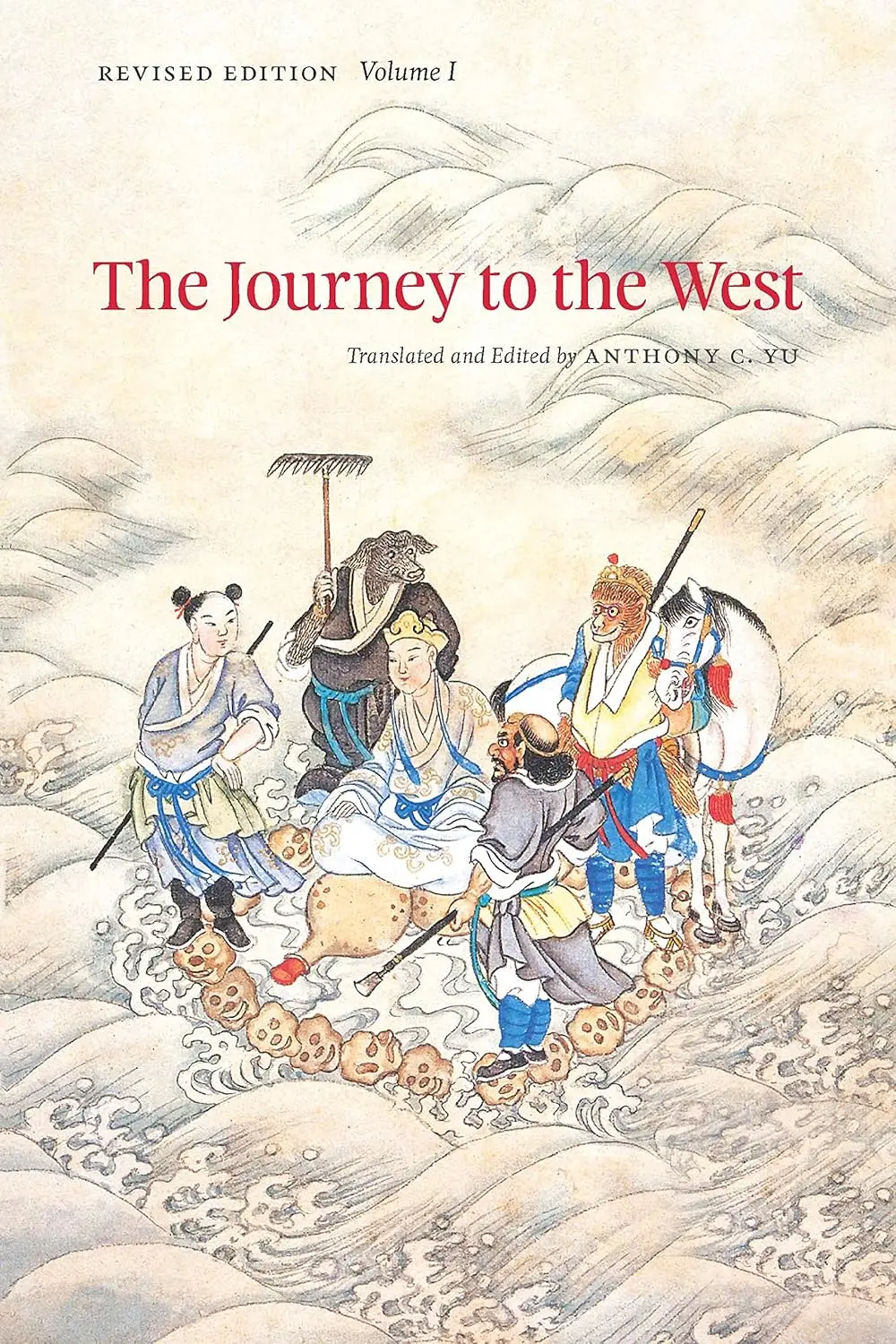 Volume 1
Chapters 1–25
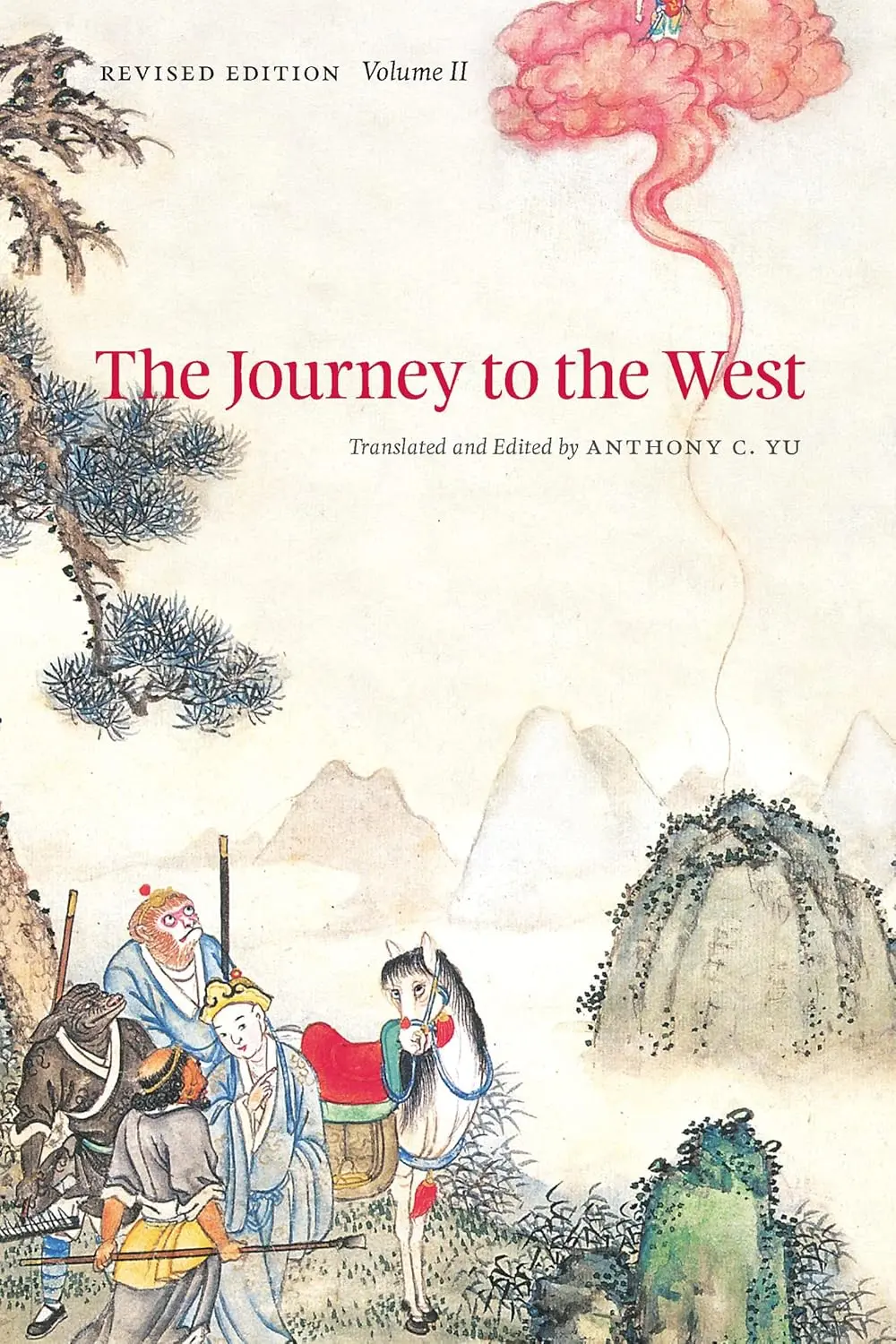 Volume 2
Chapters 26–50
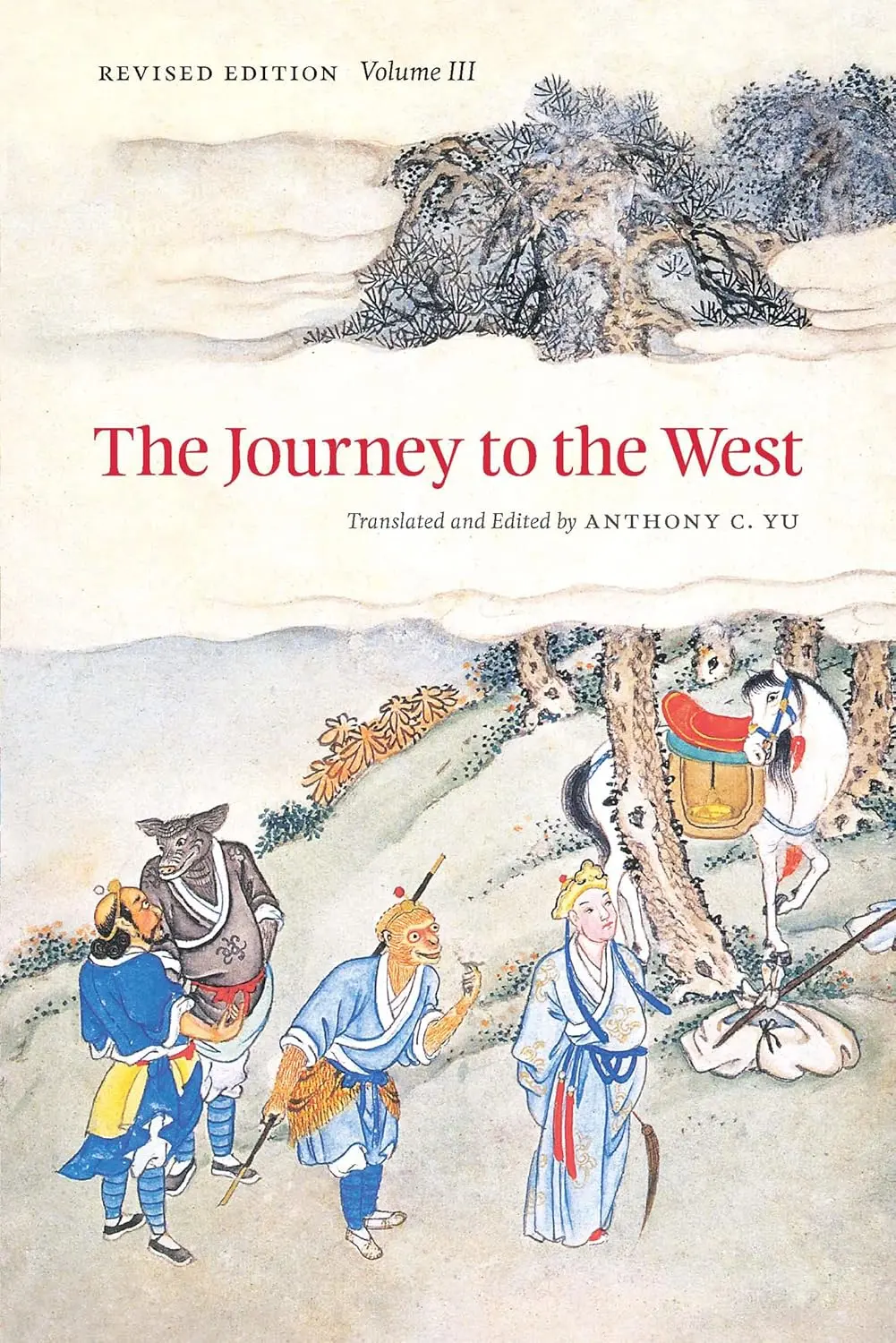 Volume 3
Chapters 51–75
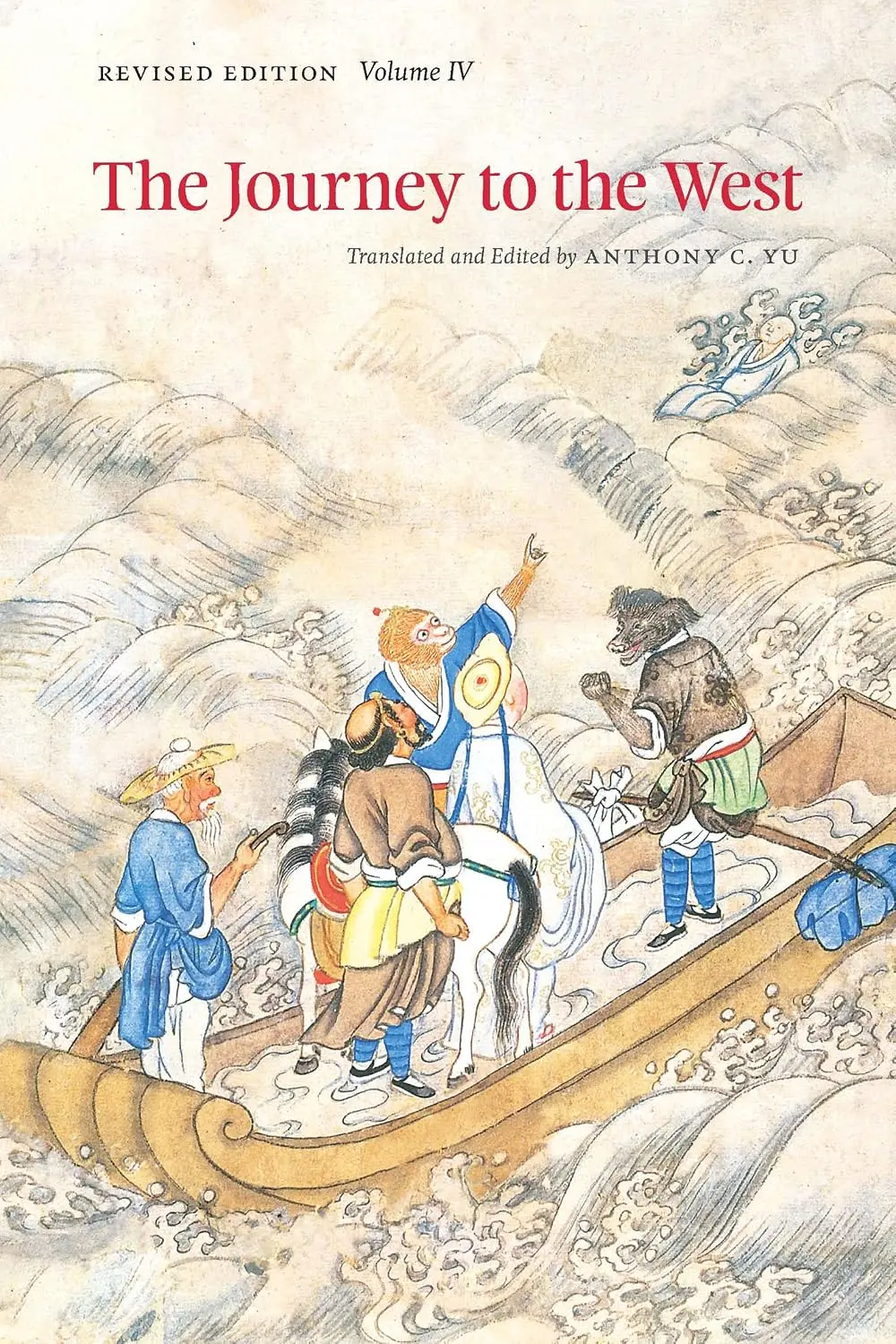 Volume 4
Chapters 76–100
Explore more on the Web: Summary of the Journey to the West Novel
